
Table of Contents
- What the Research Says About Compression Shirts and Basketball Performance
- How Compression Gear Works: Blood Flow, Muscle Stabilization, and More
- The Main Benefits of Compression Gear for Athletes on the Court
- Compression Shirt Recovery Benefits: What Happens After the Final Buzzer
- How to Choose the Right Basketball Compression Shirt for Your Game
- Common Mistakes to Avoid When Using Compression Shirts
- Verdict: Should You Add a Compression Shirt to Your Rotation?
- Frequently Asked Questions
Last Updated: September 9, 2026
What the Research Says About Compression Shirts and Basketball Performance
Compression shirts are tight-fitting athletic tops designed to support muscle function, but whether they genuinely improve basketball performance is more nuanced than many athletes assume. The evidence suggests compression wear does not magically make you jump higher or run faster, but it does influence physiological and psychological factors that contribute to how well you play.
The honest answer to the question do compression shirts improve basketball performance is yes, but indirectly through better blood circulation, reduced muscle oscillation, and a measurable psychological boost. While results vary, the scientific consensus points to meaningful benefits for muscle recovery and proprioception, your body's ability to sense its own position and movement.
How Compression Gear Works: Blood Flow, Muscle Stabilization, and More
Compression garments work through mechanical and physiological mechanisms that directly interact with basketball's demands.
The Mechanics of Blood Flow and Venous Return
Compression shirts apply graduated external pressure to your torso, assisting the venous system in returning deoxygenated blood to the heart. Compression reduces vessel diameter, increasing blood flow velocity, a principle known as hemodynamic efficiency.
For a basketball player, this means your muscles receive a more consistent supply of oxygenated blood during the stop-and-start sprints of a full-court game. The effect is not dramatic enough to turn an average player into a star, but it can delay the onset of peripheral fatigue.
Muscle Oscillation and the Stretch-Shortening Cycle
Every time you land from a rebound or plant your foot to change direction, your muscles undergo a rapid stretch-shortening cycle. This cycle generates force but also produces muscle oscillation, a vibration that causes microtrauma to muscle fibers.
Compression shirts dampen this oscillation. The fabric acts as a mechanical stabilizer, holding muscle groups in a more fixed position. Research in the Journal of Strength and Conditioning Research has demonstrated that compression garments can reduce muscle displacement during landing tasks by up to 40% compared to non-compressive clothing. This is particularly relevant on the defensive end, where repeated lateral slides and jump landings place high eccentric loads on the quadriceps and hamstrings.
Proprioception and Joint Position Sense
A less-discussed mechanism is proprioception, your body's ability to sense its position in space. Compression shirts provide constant tactile feedback to the skin and underlying muscle spindles, enhancing awareness of your torso's position.
A 2019 study in the Journal of Athletic Training found that participants wearing compression garments demonstrated improved joint position sense in the shoulder and hip compared to those wearing loose clothing. For a basketball player, this means more consistent shooting mechanics and better body control when absorbing contact at the rim.
Thermoregulation and Sweat Management
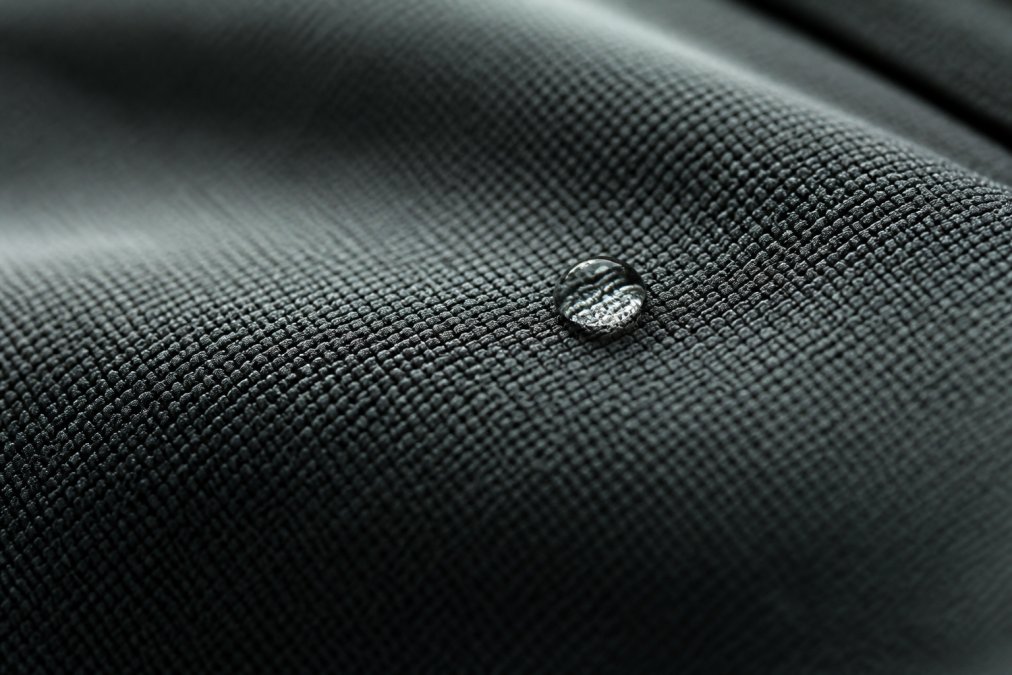
The fabric composition of a compression shirt is about temperature regulation. Most high-quality shirts use a blend of nylon and spandex or polyester and spandex. These synthetic fibers are hydrophobic, pulling sweat away from your skin and spreading it across the fabric's surface where it can evaporate.
Cotton, by contrast, is hydrophilic. It absorbs sweat and holds it against your skin, making the shirt heavy and disrupting your body's natural cooling system.
What the Research Actually Shows
A systematic review in the British Journal of Sports Medicine in 2021 examined 23 randomized controlled trials on compression garments. The review found consistent evidence for reduced muscle soreness in the 72 hours following exercise, but evidence for acute performance enhancement was mixed.
The most reliable conclusion is this: compression shirts are not a performance-enhancing drug. They will not make you jump higher or run faster on demand. What they do is reduce the physiological cost of the game, allowing you to maintain output for longer and recover faster between games.
The Main Benefits of Compression Gear for Athletes on the Court
What separates compression gear from regular athletic wear is its targeted approach to support. Loose cotton tees absorb sweat and add weight; compression shirts act as a base layer that moves with you while managing physical stress.
Reducing Muscle Fatigue and Soreness During Play
During a fast-paced game, your leg muscles generate lactic acid as a byproduct of intense effort. Compression gear helps clear metabolic waste more efficiently through improved circulation, which can delay the onset of muscle fatigue.
The evidence for recovery is stronger than the evidence for in-game performance enhancement. A systematic review on compression garments and recovery found that wearing compression clothing after exercise consistently reduces delayed onset muscle soreness, or DOMS, compared to no intervention. That means the shirt you wear during the game can also support your body's recovery process after the final buzzer, which is where the real performance gains accumulate over a long season.
The Psychological Edge of Wearing Compression Gear
The mental component of compression wear is often overlooked. Athletes report feeling more prepared, more athletic, and more focused when they put on gear that feels purposeful.
The feeling of muscle stabilization from compression can also improve proprioception, your awareness of where your body is in space. When you can feel your torso and shoulders working as a unit, your movement patterns tend to be more deliberate and controlled.
Compression Shirt Recovery Benefits: What Happens After the Final Buzzer
The minutes and hours after a game are when your body either adapts to the stress you just placed on it or breaks down. Compression shirts play a specific, measurable role in this recovery window.
The Science of Active Recovery and DOMS
Delayed onset muscle soreness, or DOMS, peaks 24 to 72 hours after intense exercise. It is caused by microtears in muscle fibers and the resulting inflammatory response. Compression garments help mitigate DOMS through two mechanisms: reduced muscle oscillation during exercise and improved venous return after exercise.
A 2020 meta-analysis in the Journal of Sports Sciences pooled data from 12 studies and found that wearing compression garments for 24 hours post-exercise reduced perceived muscle soreness by an average of 1.5 points on a 10-point scale compared to no compression.
The 30-Minute Post-Game Window
The most effective recovery protocol is not to keep your compression shirt on all night, but to wear it for a specific window immediately after the game:
- Immediately after the game (0-15 minutes): Keep your compression shirt on while you do a light cool-down walk and static stretching. This maintains blood flow at a low intensity, preventing blood from pooling in your lower extremities.
- Post-shower (15-45 minutes): If you shower after the game, put on a clean, dry compression shirt. The combination of clean fabric and continued compression keeps the recovery process going while you eat your post-game meal.
- The 2-hour mark: After about two hours, the acute inflammatory response has begun to subside. At this point, you can switch to loose clothing. The compression has done its primary job of jump-starting the repair process.
This protocol is more effective than wearing the same sweaty shirt for six hours after the game. A damp compression shirt loses its elasticity and can cause skin irritation.
Compression vs. Other Recovery Modalities
Compression is one tool in a broader recovery toolkit. It is not a substitute for sleep, hydration, or proper nutrition. However, it has one advantage over modalities like ice baths or massage guns: it is passive.
A common pattern among professional basketball players is to wear compression during travel. The NBA schedule involves frequent flights and long bus rides, and the combination of sitting for hours and reduced cabin pressure can cause fluid to pool in the legs.
The Cumulative Effect Over a Season
The real value of compression for recovery is not in any single game. It is in the cumulative effect over a 30-game season or a weekend tournament. When you recover faster between games, you can train harder during the week.
For a young athlete on an AAU circuit with three games in a day, the difference between wearing compression and not wearing it can be the difference between playing at 90% in the third game and playing at 75%.
When Compression Is Not Enough
It is also important to recognize the limits of compression for recovery. If you have a significant injury, such as a muscle strain or joint sprain, compression alone will not fix it. Compression can help manage swelling in the acute phase, but it does not replace proper medical evaluation and treatment.
Additionally, compression is not a substitute for sleep. The most powerful recovery tool available to any athlete is 8 to 10 hours of quality sleep.
American College of Sports Medicine position stand on recovery from exercise
How to Choose the Right Basketball Compression Shirt for Your Game
Choosing the right compression shirt is about matching the garment to basketball's specific demands, not just picking any tight athletic top. Consider how the shirt performs through a full range of motion: arms overhead for rebounds, torso rotation for passes, and deep knee bends for defensive slides.
Sizing and Fit Guide for Basketball-Specific Movements
Compression shirts must fit snugly but never restrictively. The correct fit should feel like a second skin, with no loose fabric that can bunch up under a jersey.
For players with a leaner build, athletic-cut compression shirts that taper at the waist provide a better fit than boxy cuts. If the shirt is too tight, it can restrict breathing and movement; if it is too loose, you lose the compression benefits entirely.
Material Blends: What to Look For and What to Avoid
Not all compression shirts are created equal. Look for a blend of nylon and spandex, which offers the right balance of durability, elasticity, and moisture management. Polyester blends are also common and tend to dry faster.
Avoid pure cotton or low-quality synthetic fabrics that lose their elasticity after a few washes. A compression shirt that stretches out loses its pressure gradient and its effectiveness.
| Material Blend | Key Qualities | Best For |
|---|---|---|
| Nylon + Spandex | Durable, holds shape, smooth feel | All-around play, frequent washing |
| Polyester + Spandex | Fast-drying, lightweight | Hot gyms, high-sweat games |
| Cotton blends | Soft but absorbs sweat, loses compression | Casual wear only, not for games |
Common Mistakes to Avoid When Using Compression Shirts
The most common mistake is wearing a compression shirt that is too small, thinking tighter equals better. This restricts your breathing and can cause chafing under the arms. Sizing up is always better than sizing down.
Another mistake is neglecting maintenance. Compression shirts require proper care to maintain their elasticity and compression pressure. Wash them in cold water and hang them to dry; high heat from a dryer breaks down spandex fibers quickly. A fabric care guide from the American Cleaning Institute recommends avoiding fabric softeners on performance wear because they coat the fibers and reduce moisture-wicking ability.
Verdict: Should You Add a Compression Shirt to Your Rotation?
Do compression shirts improve basketball performance? Yes, but not in the way marketing often suggests. They will not add inches to your vertical or make you quicker, but they will support blood flow, reduce muscle fatigue during play, and speed up recovery afterward.
For players serious about their training, a high-quality compression shirt is a worthwhile investment. Look for a garment engineered for motion, with a material blend that holds its shape and a fit that supports basketball-specific movements. Look for a garment engineered for motion, with a material blend that holds its shape and a fit that supports basketball-specific movements.
Frequently Asked Questions
Should I wear a compression shirt for basketball?
Yes, if you want potential gains in muscle support, blood circulation, and post-game recovery. Evidence shows compression shirts can reduce muscle oscillation and may lower perceived fatigue during play. They are not a magic performance enhancer, but the combination of physical support and psychological readiness makes them a useful addition for many players. Try one during practice first to confirm the fit and comfort level work for your shooting and movement style.
Do compression shirts help with muscle recovery after a game?
Research indicates that wearing compression garments after intense exercise can help reduce delayed onset muscle soreness (DOMS) and speed up recovery time. The compression pressure supports venous return, which helps clear metabolic waste products like lactic acid from your muscles. For best results, wear the shirt for a few hours after the game or overnight, then focus on hydration, nutrition, and active recovery.
How should a basketball compression shirt fit?
A basketball compression shirt should fit snugly against your skin without restricting your range of motion. It should feel like a second layer of skin, not a tight harness. Pay attention to the shoulders and chest: you need full mobility to shoot, pass, and defend. The hem should stay put when you raise your arms, and the fabric should be moisture-wicking to manage sweat. If it leaves red marks or feels uncomfortable, size up.
Are there any disadvantages to wearing a compression shirt?
The main drawbacks are comfort and fit related. Some players find compression shirts too hot during intense play, even with moisture-wicking fabric. A poor fit can restrict movement or cause chafing. There is also a risk of over-reliance on the gear for psychological confidence. Choose a breathable, high-quality synthetic fabric and ensure the fit allows a full range of motion. If it distracts you, it is not helping your performance.
Adding a compression shirt to your rotation is a small change that can make a meaningful difference in how your body feels across a long season. The key is choosing one that fits properly, supports your range of motion, and is built to last through heavy use. Get started with Young Elite Baller Brand and experience the difference in comfort and confidence at your next game.